
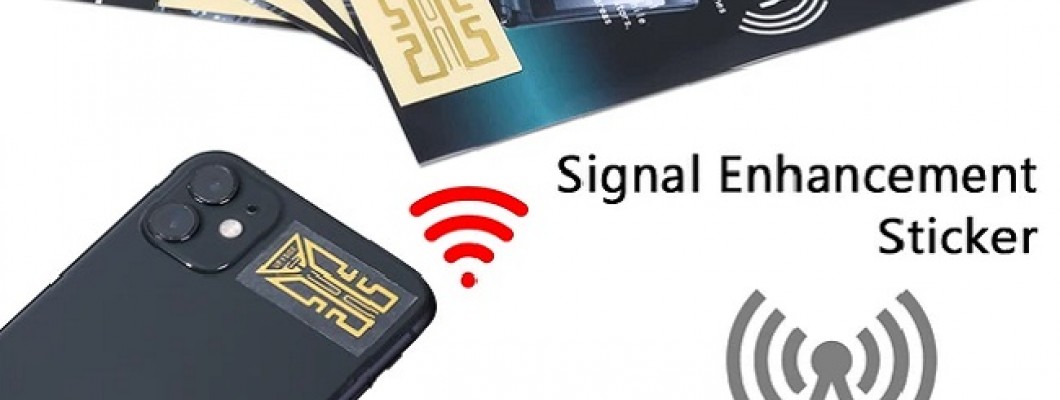
Cep Telefonu Sinyal Güçlendirici: Nedir ve Nasıl Çalışır?
Cep telefonu sinyal güçlendiriciler, hücresel sinyal alımını artırmak için tasarlanmış cihazlardır. Bu sistemler genellikle dış anten, amplifikatör (yükseltici) ve iç anten gibi parçalardan oluşur. Sinyal gücünü artırarak, çevresel engellerin neden olduğu iletişim sorunlarını en aza indirir. Sinyal güçlendiriciler, özellikle kırsal bölgelerde, yüksek binalarda veya bodrum katlarında zayıf sinyal alımı yaşayan kullanıcılar için etkili bir çözümdür.
Bir GSM sinyal güçlendirici satın aldığınızda, cihazda sinyali yükselten bir amplifikatör sistemi bulunur. Bu sistem, sinyali maksimum seviyede güçlendirmek için tasarlanmıştır. Dış anten, hücresel kulelerden gelen sinyalleri toplar ve amplifikatöre iletir. Bu cihazlar sayesinde 7 dB'nin altında gelen sinyaller, 10 dB seviyesine kadar yükseltilebilir. Ayrıca, sinyalin güçlü bir şekilde aktarılabilmesi için kaliteli bir kablo kullanımı da önemlidir.
Telefon Çekmeme Sorunlarının Sebepleri
Cep telefonlarının sinyal gücü, çevresel faktörler veya fiziksel engeller nedeniyle düşebilir. Bu tür durumlarda, sinyal gücünü artırmak için özel olarak tasarlanmış sistemler devreye girer. Sinyal alımını artıran bu cihazlar, engellerin etkisini en aza indirir ve daha güçlü bir sinyal sağlar. Sinyal gücünü ölçmek için kullanılan birim desibeldir (dB) ve sinyal seviyesini net bir şekilde gösterir. Güçlü bir sinyal için doğru konumlandırma ve cihaz ayarları büyük önem taşır.
Sinyal güçlendiriciler, bodrum katlar, kırsal alanlar veya yüksek katlı binalar gibi sinyalin zayıf olduğu bölgelerde etkili çözümler sunar. Bu cihazlar, kullanıcıların telefon görüşmelerini daha net yapmasını ve interneti daha hızlı kullanmasını sağlar.
GSM Sinyal Güçlendiriciler ve Kullanım Alanları
Cep telefonları, iletişim, internet erişimi ve içerik paylaşımı gibi temel ihtiyaçlar için kullanılır. Ancak bazı durumlarda sinyal seviyesindeki düşüşler, iletişim kalitesini etkileyebilir. GSM sinyal güçlendiriciler, sinyal sorunlarını çözmek ve güçlü bir iletişim sağlamak için tercih edilir. Bu cihazlar, evlerde, ofislerde ve diğer yaşam alanlarında yaygın olarak kullanılır.
GSM sinyal güçlendiriciler, operatörlere ve kullanılan cihazların özelliklerine göre farklı modeller sunar. 2G, 3G, 4G ve 4.5G ağlarıyla uyumlu olan bu cihazlar, kullanıcılara kesintisiz bir iletişim deneyimi sunar. Ayrıca, kullanıcı ihtiyaçlarına uygun tasarımlar ve farklı özellikler sunan modeller bulunmaktadır.
GSM Sinyal Güçlendirici Türleri
Cep telefonu sinyal güçlendiriciler, kullanım alanına göre iki ana kategoriye ayrılır:
- Ev Güçlendiriciler: Evinizde veya ofisinizde sinyal alımını iyileştirmek için tasarlanmıştır.
- Araç Güçlendiriciler: Araç içinde sinyal gücünü artırmak için kullanılır.
Bu cihazlar, bulunduğunuz alana bağlı olarak belirli bir mesafede etkili olur ve kullanım alanına uygun olarak farklı özelliklerde üretilir.
GSM Sinyal Güçlendirici Seçiminde Dikkat Edilmesi Gerekenler
Sinyal güçlendirici satın alırken kullanım alanına uygun bir model seçmek önemlidir. Örneğin, ev veya ofis kullanımı için tercih edilen cihazların sinyal kapsama alanı geniş olmalıdır. Ayrıca, cihazın 4.5G gibi ağ yapılarıyla uyumlu olduğundan emin olunmalıdır. Her operatörün farklı frekansları olduğundan, seçilen cihazın bu frekanslarla uyumlu olması gereklidir.
GSM Sinyal Güçlendiricilerin Avantajları
Cep telefonu sinyal güçlendiriciler, kullanıcılara çeşitli avantajlar sunar:
- Geliştirilmiş Sinyal Gücü: Daha iyi bir iletişim deneyimi sağlar.
- Daha Yüksek Veri Hızları: İnternet hızını artırır.
- Azaltılmış Çağrı Kesintileri: Daha stabil bir bağlantı sunar.
- Pil Verimliliği: Cihazın pil ömrünü uzatır.
- Daha İyi Çağrı Kalitesi: Net ve kesintisiz görüşmeler sağlar.
Sonuç
Cep telefonu sinyal güçlendiriciler, zayıf sinyal sorunlarıyla başa çıkmak için etkili bir çözümdür. Bu cihazlar, hem ev hem de araç kullanımı için uygundur. Evinizde, ofisinizde veya seyahatte daha güçlü bir sinyal almak istiyorsanız, bu cihazlardan faydalanabilirsiniz. Doğru sinyal güçlendirici seçimi ile iletişim kalitenizi artırabilir ve cihazınızı daha verimli bir şekilde kullanabilirsiniz.






Bir Yorum Yaz