
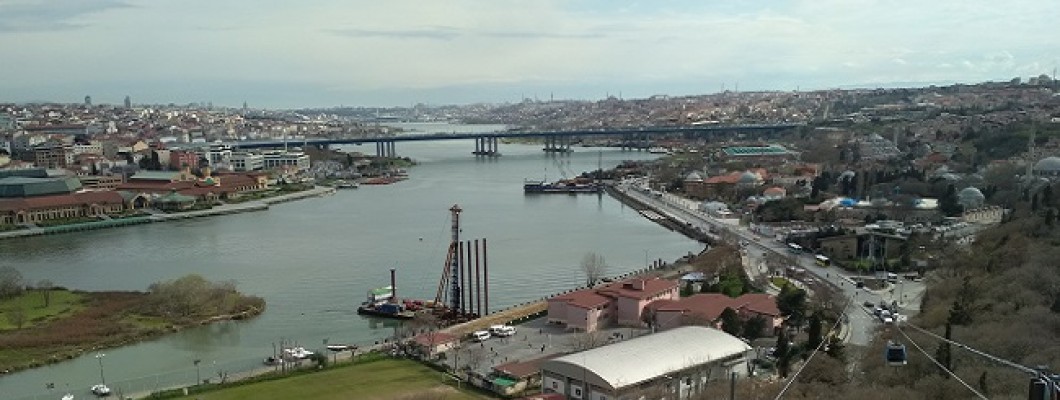
Eyüp Gezilecek Tarihi Yerler
Eyüp, İstanbul'un en eski semtlerinden biridir. Bizans döneminden başlayarak önemli yerleşim yerlerinden biri. Osmanlı’lar şehri almadan önce ise ilk tekkelerin kurulduğu yerlerin başında geliyor. Cami, Tekke, Çeşme, Kemer, Konak, Kiliseleri ile Haliç kıyısında ve sur dışında harika bir gezi alanı.
Eyüpsultan'da gezilecek tarihi yerler:
Eyüp Sultan Camii: Eyüp Sultan Camii, İstanbul'un en eski yapılan camilerinden biridir. Hz. Muhammed'in dostlarından Ebu Eyüp el-Ensari'nin rivayetlere dayanan mezarı üzerine türbesi inşa edilmiştir.
Eyüp Sultan Türbesi: Eyüp Sultan Türbesi bitişiğinde Hz. Muhammed'in yoldaşı Ebu Eyüp el-Ensari adına yapılmıştır.
Eyüp Hamamı : Eyüp Camii civarında, Silahdar Ağa Caddesi'nin sol köşesinde ve Yusuf Muhlis Paşa Caddesi ile Eyüp Hamamı Sokağı arasında olup kapısı Silahdar Ağa Caddesi üzerindedir. Fatih (1451-1481) tarafından yatırılan Eyüp Türbe Hamamı günümüzde müze olarak ziyarete açıktır.
Şemsi Paşa Türbesi: Şemsi Paşa Türbesi, 15. yüzyılda Şemsi Paşa tarafından yaptırılmıştır. Türbe, Eyüp Sultan Camii'nin yakınında yer almaktadır.
Pierre Loti Tepesi: Pierre Loti Tepesi, Eyüpsultan'ın en yüksek tepesidir. Fransız yazar Pierre Loti’nin yaşadığı yerdir. Tepeden İstanbul'un muhteşem manzarasını seyredebilirsiniz.
Rami Kışlası: 18. yüzyılda Osmanlı İmparatorluğu tarafından yeniçeri ocaklarının kaldırılmasından sonra inşa edilmiştir. Kışla, günümüzde başta kütüphane olmak üzere bir kültür merkezi olarak hizmet vermektedir.
İstanbul Surları : İstanbul surlarının Edirnekapı girişinden başlayarak Haliç sahiline geçen alanda tarihi surlar gezilecek yerlerin başında gelir.
Karagöz Evi: Eyüp, Topcular mahallesinde taştan yapılmış ev olarak hala ayaktadır. Eski ve harap haliyle olsa da ayakta durmaktadır.
Cülüs Yolu : Eyüp Sultan Camisini arka çıkışından haliç sahiline kadar uzanan yoldur. Tarihi yolda yürüyüş yapmak güzel ve heyecan uyandırıcı.
Feshane : İstanbul'un Eyüp ilçesinde bulunan bir kültür ve eğlence merkezidir. Feshane, 1869 yılında Sultan Abdülaziz tarafından fes üretimi için kurulmuştur. Feshane, 1950'li yıllardan sonra fes üretimini durdurmuştur. Günümüzde İstanbul Büyükşehir Belediyesi tarafından kültür merkezine dönüştürülmüştür. İstanbul’un kültür merkezlerinden biri olma yolundadır.
Bahariye Mevlevihanesi: İstanbul'un Eyüp ilçesinde bulunan bir mevlevihanedir. Mevlevihane, 1877 yılında Sultan Abdülhamid II tarafından yaptırılmıştır. Mevlevihane, 1925 yılında tekke ve zaviye kanunu ile kapatılmış ve bir süre depo olarak kullanılmıştır. 2010 Yılında yıkıla Bahariye Mevlevihane'si İBB tarafından inşa edilmiş ve Mevlevi kültürü ile alakası olmayan bir vakıfa verilmiştir. Günümüzde Müzede, Mevlevilik ile ilgili eserler ve fotoğraflar sergilenmektedir.
Mihrişah Sultan İmareti : Eyüp Sultan Cami çevresinde yer almaktadır. Bostan iskelesi Sokağı'nda, Mihrişah Valide Sultan Türbesi ile Hüsrev Paşa Kütüphanesi arasında hayır amacı ile yapılmıştır.
Müzüsyenler Kahvesi : III.Selim'in validesi Mihrişah Sultan tarafından yaptırılmış ve 20.y.y. başlarına kadar önemli müzik ustalarının buluştuğu mekanlar arasına girmiş. Son yıllarda ise İBB tarafından yeniden restore edilerek kültür mirası arasına dahil edilmiştir. Eyüp iskelesine yakın ve Haliç’e bakan yol üstündedir.
Surp Asdvandzadzin Apostolik Ermeni Kilisesi : İslambey Mektebi Sokağı üzerinde ve Kanun Sokağı karşısındadır. Kilise ilk olarak 1812 de ahşap olarak yapılmış, 1841 de tamir edilmiş ve 1855 de son şekli ile taştan yeniden yapılmıştır.
Surp Yeghia Apostolik Ermeni Kilisesi : Eyüp Nişancası civarında, Karayel Sokağı üzerinde ve Kahya Çıkmazı karşısında yer alır. 1966 Surf Egia adlı bir ermeni kilisesi üzerine 1932 yılında yeniden yaptılılmıştır.
Santralistanbul : Santralistanbul, 1910 yılında açılıp 1983’e kadar İstanbul’un elektriğini sağlayan Silahtarağa Elektrik Santrali’dir. Restore edilip Enerji Müsesi’ne dönüştürülmesi ise 2007 yılında denk gelmektedir.
Tarihi Oyuncakçılar Çarşısı : Sokullu Mehmet Paşa'nın Külliyesine ait dükkanları içine alan çarşı uzun yıllar Eyüp'ün meşhur oyuncakçılar çarşısı olarak hizmet vermiştir. Günümüzde ise hediyelik ve dini ürünler satılmaktadır.
Baba Haydar Tekkesi : Mescid, Haydar Baba Caddesi ile Baba Haydar Camii Sokağı'nın birleştiği yerde ve sokağın sağ köşesindedir.
Şeyh Abdülmecid Sivasi tekkesi : Zileli Muharrem Efendi’nin oğludur. Sultan III. Mehmed daveti ile İstanbul’a geldi. 1639 yılında vefat etmiş, Eyüp, Nişanca Caddesi üzerinde bulunan tekkesine defnedilmiştir.
Şeyh Murat Efendi Tekkesi : Eyüp'te, Nişanca mahallesinde, Nişancı Mustafa Paşa Caddesi ile Davud Ağa Caddesinin birleştiği köşededir. 1700 yıllarında Mevlevi tekkesi olarak kurulmuştur.
Afife Hatun Tekkesi : Zal Paşa Caddesi ile Balcı Yokuşu'nun birleştiği yerde ve yokuşun sol köşesindedir. Sol tarafında ve yol aşın yerde Kızıl Mescit ve tam köşede ise Sokullu Mehmed Paşa Çeşmesi vardır. Günümüzde yalnız semahanesi durmaktadır.
Kaşgari Mürteza Efendi Tekkesi : Eyüp'ten, Piyer Loti Kahvesi'ne giden İdris Köşkü Caddesi ile Hüsam Efendi Sokağı arasında bulunmaktadır. Özbeklerin kurduğu tekke Nakşibendi tekkesidir.
Karyağdı Baba Tekkesi : Piyer Loti Kahvesi'nin 50 m üst tarafında bulunan tekke Bektaşi tekkeleri içinde ünlenmiştir.
Ümmi Sinan Tekkesi : Tekke Eyüp Düğmeciler mahallesinde Ümmi Sinan sokağında bulunmaktadır. Cumhuriyet ve Kurtuluş savaşı öncülerinden Yahya Galip’in de şeyhlik yaptığı tekkelerdendir.
Fevzi paşa Tekkesi : Eyüp, Bülbülderesi mevkiindedir. Kadiri tarikatına mensup tekke ziyaret edilebilir.
Uzun Kemer : Uzun Kemer, Eyüp Göktürk mahallesi sınırları içinde bulunan Mimar Sinan eseri olan uzun köprü 1554-1564 yılları arası inşa edilen kemer, Türkiye'nin ayakta kalan en uzun kemeridir.
Kemerburgaz Su Kemeri : Eyüp Kemerburgaz sınırları içinde yer alır. İçinden araç geçişlerinde olduğu Kemer görmeye değerdir.
Mağlova Su Kemeri : Mağlova Su Kemeri, Mimar Sinan tarafından 1554-1562 yılları arasında İstanbul’da Alibey Deresi üzerinde yapılmış olan su kemeridir. Günümüzde, Alibeyköy barajı içindedir.
İstanbul’un tarihi ilçelerinden Eyüp bir çok tarihi mekanı ile gezilecek yerler arasında yer alıyor. Bu tarihi mekanlar turizm alanında yeterince tanıtımı yapılmasa da her geçen gün ilgi gören mekanlar arasında yerini aldı.
deritel mobil servisi telefon haberlerini sundu.












Bir Yorum Yaz