
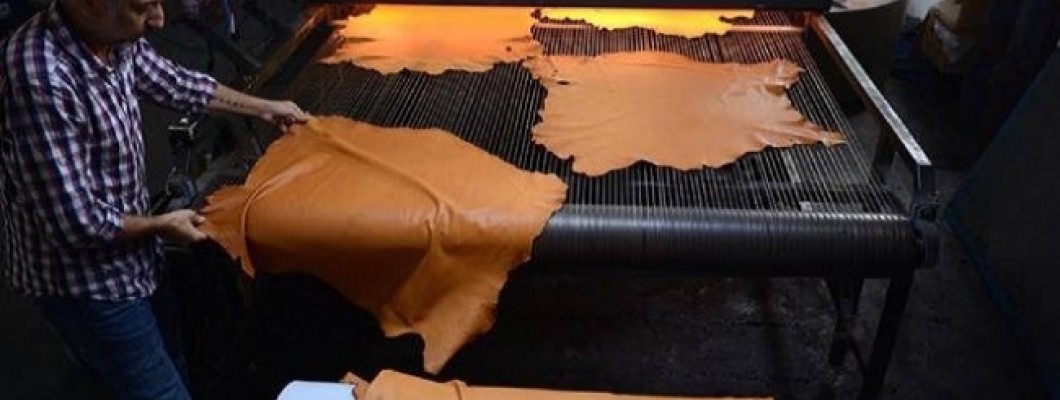
Gerçek Deri Nasıl Anlaşılır? Hakiki, Orijinal ve Doğal Deriyi Ayırt
Gerçek deri, yani hakiki deri, orijinal deri veya doğal deri, yıllar geçse de formunu koruyan, esneyen, nefes alan ve şıklığını kaybetmeyen özel bir malzemedir. Zamansız tasarımların vazgeçilmezi olan doğal deri ürünler; sağlamlığı, dokusu ve kokusu sayesinde yapay materyallerden kolayca ayrılır. Ancak günümüzde suni derilerin estetik açıdan gerçeğine benzetilmesi, bilinçli olmayan tüketicilerin yanlış ürünlere yüksek ücret ödemesine sebep olmaktadır. Bu nedenle gerçek deri nasıl anlaşılır sorusunun cevabını bilmek büyük önem taşır.
Gerçek Deri ile Suni Deri Arasındaki Temel Farklar
Gerçek deriyi anlamanın pek çok güvenilir yolu vardır. Bu yöntemler, doğal derinin kendine özgü yapısını ortaya çıkaran fiziksel özellikler üzerine kuruludur.
1. Koku Farkı
Hakiki derinin özgün, doğal ve hafif topraksı bir kokusu vardır. Suni deri ise plastik, kimyasal veya yapıştırıcı kokusuyla kolayca ayırt edilir. Ürün kokusunda kimyasal yoğunluk varsa, o ürünün gerçek deri olma ihtimali düşüktür.
2. Gözenek Yapısı
Gerçek deride doğal gözenekler ve hafif düzensiz dokular bulunur. Çünkü her hayvan derisinin yüzeyi benzersizdir. Suni deri ise makine üretimi olduğu için pürüzsüz, yapay ve tekrar eden desenlere sahiptir.
3. Su Emme Testi
Doğal deri suyu az miktarda da olsa emer. Bu, hakiki derinin nefes alma özelliğinin doğal bir sonucudur. Suni deri ise suyu yüzeyde tutar, damlacık içerisine işlemez.
4. Esneme ve Kırışma Testi
Gerçek deri baskıyla hafif kırışır ve doğal bir esneme hareketi yapar. Suni deri ise serttir, esneme hareketi sınırlı ve yapaydır. Hakiki deri ürünü elinizle büktüğünüzde doğallığını hemen belli eder.
5. Yanma Tepkisi
Hakiki deri kolay tutuşmaz, yanarken alevli bir şekilde yanmaz ve doğal bir protein kokusu verir. Suni deri ise plastiğe benzediği için hızlı alev alır ve kötü bir kimyasal koku yayar. (Mağaza izin vermiyorsa bunun yapılmaması tavsiye edilir.)
6. Dokunma ve Hissiyat
Gerçek deri yumuşak, sıcak ve canlı bir dokuya sahiptir. Orijinal deriye dokunduğunuzda parmaklarınız esnekliği hisseder. Suni deri ise soğuk, sert ve yapay bir his bırakır.
Gerçek deri alırken mutlaka güvenilir, memnuniyeti yüksek ve ticari geçmişi sağlam olan satıcılardan alışveriş yapmanız önerilir.





Bir Yorum Yaz