
Cep Telefonunda İlkler
Teknoloji çağında cep telefonunda ilkler neler oldu? Cep telefonları gelişmiş özellikleriyle kullanıcıların birçok ihtiyacına yanıt veriyor. Peki, ilk cep telefonları nasıldı?
Birçok kişi sabah uyandığı zaman hemen cep telefonlarını eline alıyor. Hayatımızın ayrılmaz parçalarından biri olan cep telefonları her an yanımızda oluyor. Bu yazımızda sizlere cep telefonlarının hikayesini anlatıyoruz.
Cep Telefonu Hangi Ülke Buldu?
İlk mobil telefon 1973 tarihinde Dr. Martin Cooper tarafından tasarlandı. Cooper, o sırada Motorola’nın başkan yardımcılığı görevinde bulunuyordu. DynaTAC adı verilen bu telefon tam 1,1 kilogram ağırlığında bulunuyordu. Telefon şarj edilince 20 dakika görüşme imkanı sağlıyordu. 1983 yılında ise DynaTac’in ilk ticari modeli satışa çıkarıldı. Dynatac 8000x modeli, 800 gram ağırlığında bulunuyordu. 30 dakikalık görüşme yapabilen cihazın fiyatı ise 3,995 Dolardan satışa çıkarılmıştı.
İlk Kameralı Telefon Hangisi?
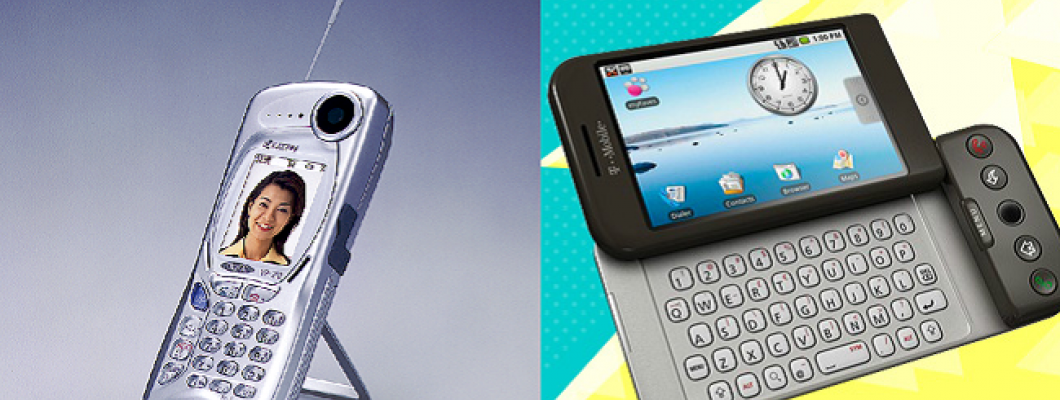
Son yıllarda, akıllı telefon kamera özellikleri büyük bir gelişme kaydetti. İlk cep telefonu kamerası ise 1999 yılında yapıldı. Japonya’da satışa çıkarılan Kyocera VP-210 modeli ilk kameralı telefondur. Kamera yaklaşık 0,11 megapiksel çözünürlüğündeydi. Ayrıca cihaz 20 adet fotoğraf çekebiliyordu. O dönem telefonun Japonya'daki satış fiyatı yaklaşık 325 dolardı.
İlk Dokunmatik Telefon Hangi Marka?
İlk akıllı cep telefonu markası HTC Dream G1’dir. Android 0.1 sürümünde piyasaya çıkan telefon aynı zamanda tuşları da üzerinde bulunduruyordu. Bu cihaz 2008 yılında piyasaya çıktı. Türkiye de ilk dokunmatik telefon markası ise Nokia’dır. Türkiye de dokunmatik telefonun geliş tarihi ise 2009 yılıdır. Türkiye’de belirli bir dönem hem tuşlu hem de dokunmatik telefonlar aynı anda kullanıldı. Klasik cep telefonu 1993 yılından beri ülkemizde kullanılıyor.
Telefonda Görüntülü Konuşma Ne Zaman Çıktı?
AT&T operatörü, 1964 yılında tarihteki ilk görüntülü görüşmeyi gerçekleştirdi. Bu görüşme ise internet üzerinden yapılmadı. Direkt olarak operatörün telefon hizmetlerinden bir tanesiyiz. 1964 tarihinde New York'ta fuarda yapılan görüşçe birçok kişinin ilgisini çekti. Firma bu teknolojiye tam 500 milyon dolar yatırmıştı. Gelişen teknoloji ile birlikte cep telefonları da daha donanımlı hale geldi. Bu yazımızda sizlere cep telefonunda ilkler konusunu hazırlayarak teknoloji tarihine ufak bir gezinti gerçekleştirdik.







Bir Yorum Yaz