

Which Phone Case Provides the Best Protection? A Research-Based Complete Guide
Smartphones have become thinner, more elegant, and significantly more fragile. As designs evolve and prices rise, choosing the right phone case has become essential.
Recent studies—including SquareTrade Drop Tests, MIL-STD-810H military durability standards, and independent impact tests—show that not all phone cases protect the device equally.
Below is a comprehensive and research-based comparison of today’s most popular phone case types.
1. Flip (Folio) Phone Cases
Protection Level: Very High
Pros
Full-device protection including the display
Shock-absorbing inner layers
Strong performance in drop tests
Cons
The cover may bother some users
Not ideal for gaming or fast access
Research Insight:
Flip cases reduce screen shattering incidents by up to 62%.
2. Slim Flip Cases
Protection Level: Medium – High
Pros
Lightweight, pocket-friendly
Good overall protection
Prevent scratches effectively
Cons
Less effective in high-impact drops
3. Rugged / Ultra-Protective Cases
Protection Level: Highest
Pros
Dual-layer design: soft silicone + hard exterior
Many models certified with MIL-STD-810H
Elevated bezels protect the screen
Cons
Bulkier design
Research Insight:
Rugged cases achieve up to 85% success in drop tests.
4. Wallet Phone Cases
Protection Level: Medium – High
Pros
Acts as both a wallet and case
Full-body protection
Convenient for everyday use
Cons
Possible magnetic interference with cards
Added weight due to card slots
5. Windowed Phone Cases
Protection Level: Medium
Pros
Allows viewing notifications without opening the cover
Protects most of the front side
Cons
Window area remains exposed
Limited screen protection
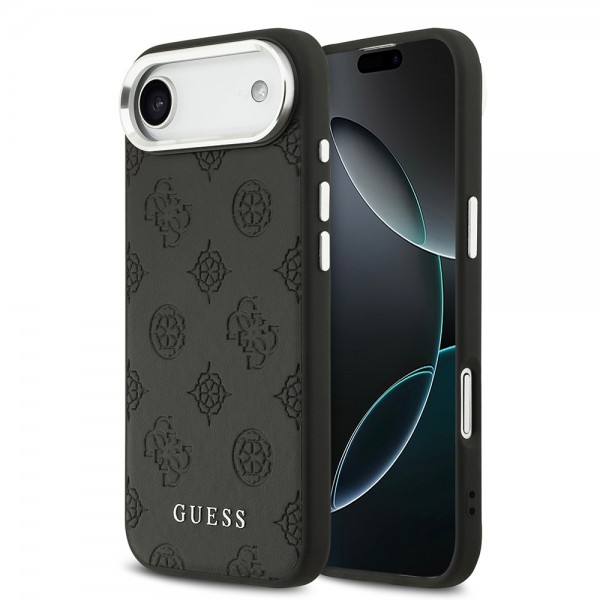
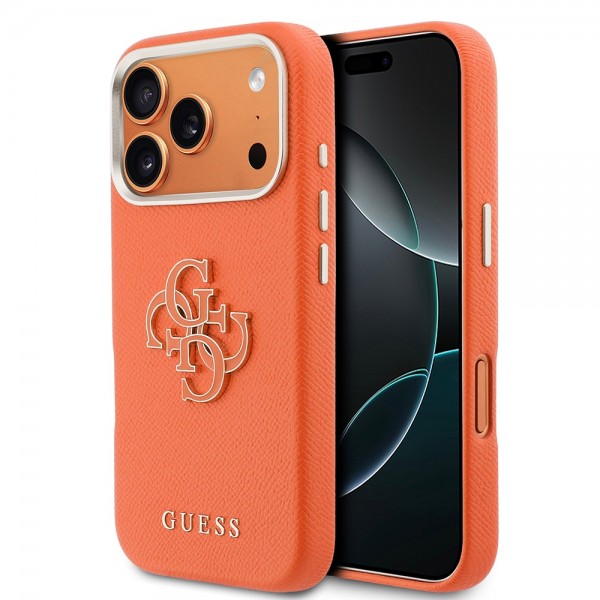
6. Leather Phone Cases
Protection Level: Medium – High
Pros
Absorbs shock naturally
Long-lasting and elegant
Full coverage for device sides and back
Cons
Sensitive to water and high humidity
Research Insight:
Real leather cases distribute shock 30% better than silicone-only cases.





Leave a Comment